

USAF C-32B Gatekeeper: Clandestine Transport
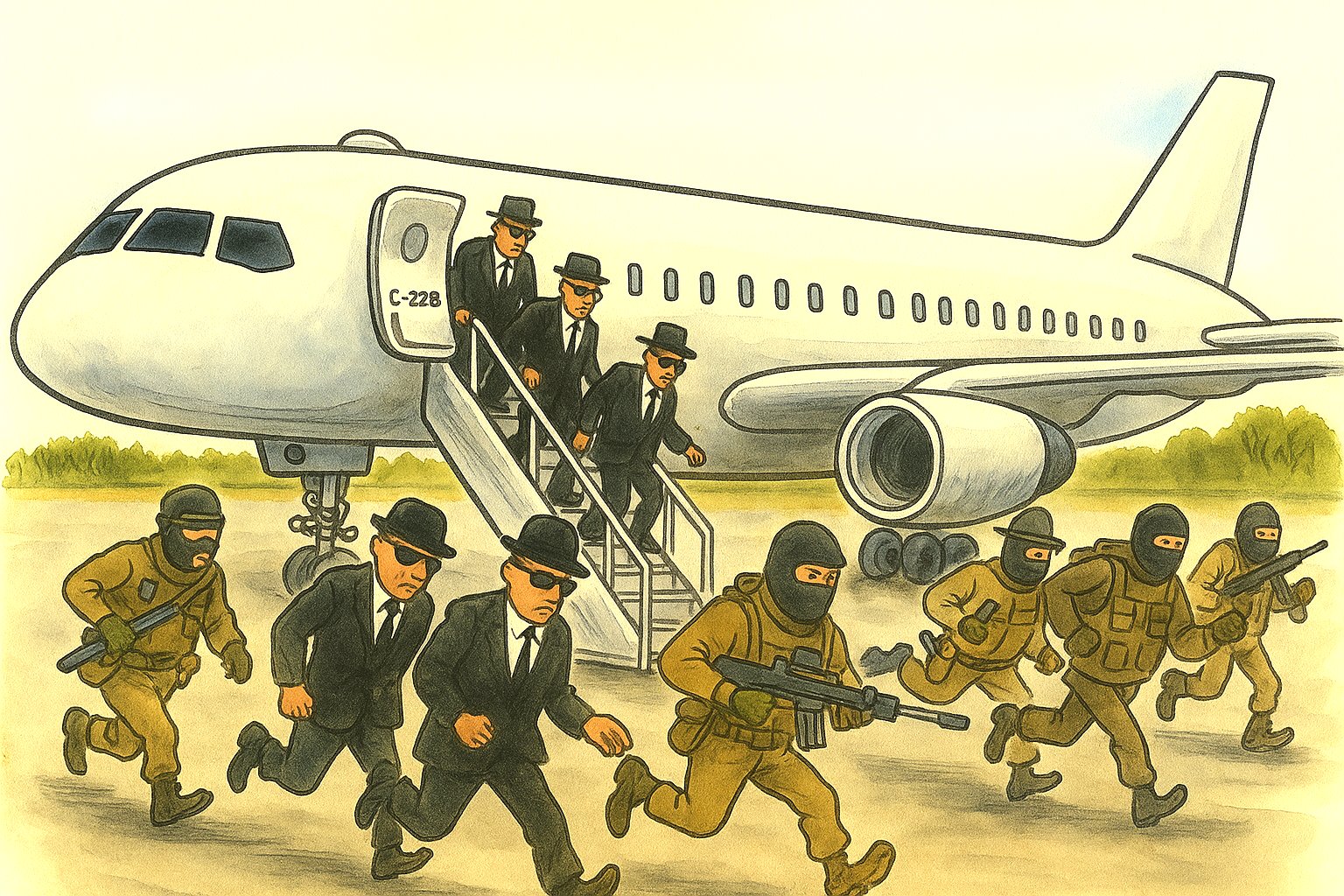
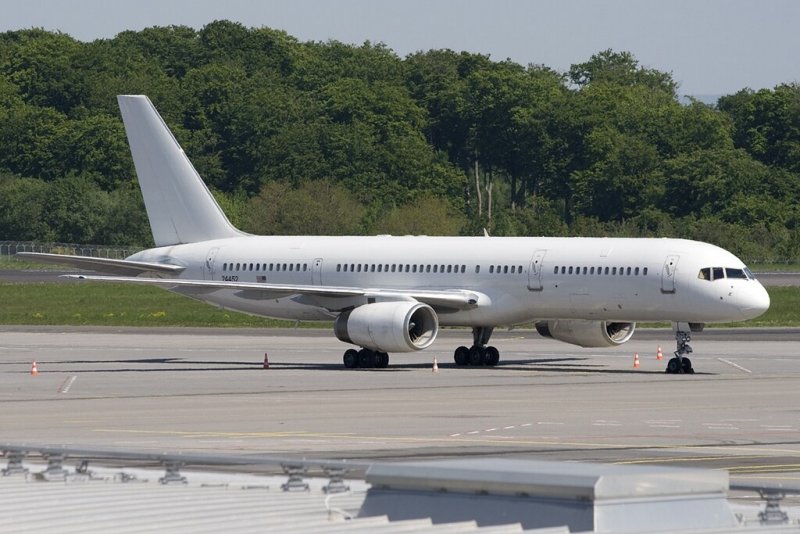 The United States Air Force Boeing C-32B aircraft flies the Gatekeeper special access program. One of the more secretive transport aircraft in the American military inventory, it operates thousands of kilometers from its typical operational areas in support of classified missions. It is used for more sensitive missions, including support for State Department Foreign Emergency Support Teams and CIA Special Activities.
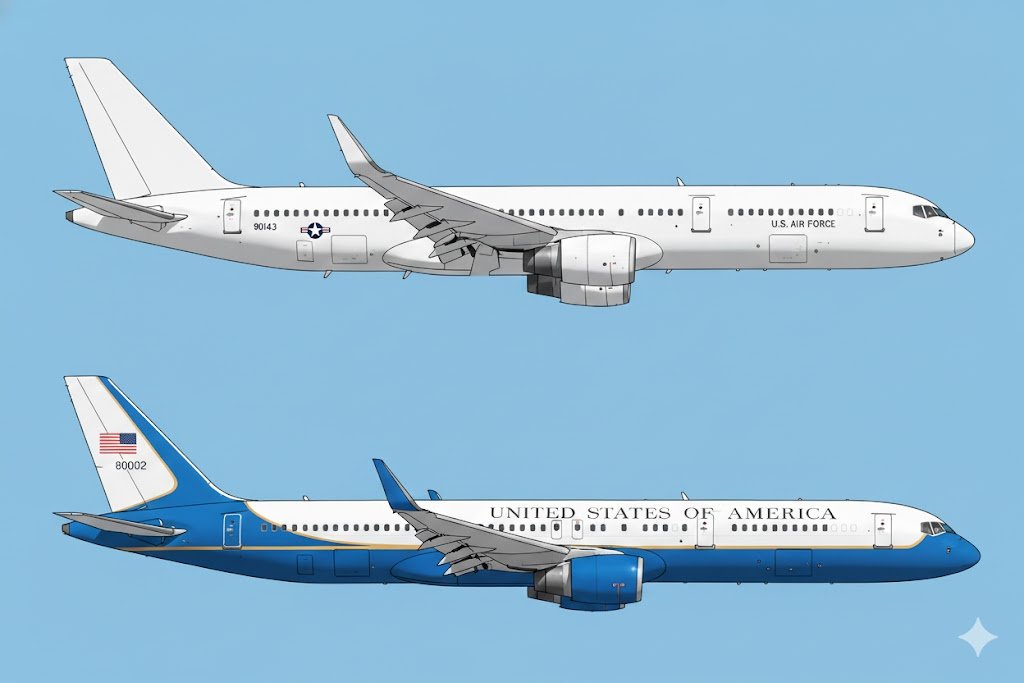
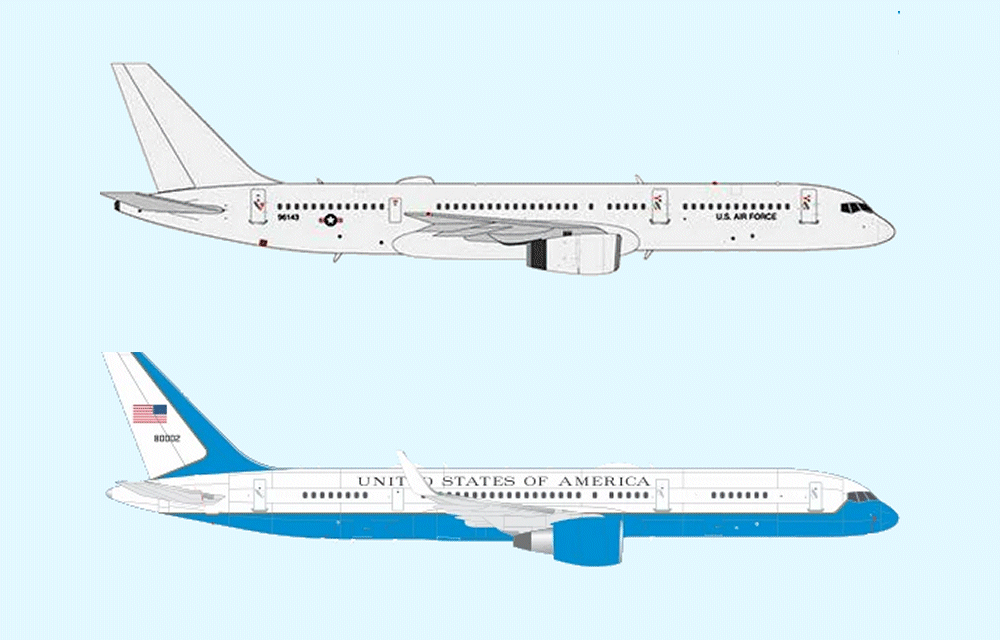
The C-32B represented a significant departure from the more commonly observed C-32A variant, which served as the primary transport for the Vice President of the United States and other senior government officials. C-32A aircraft have a visible blue-and-white paint scheme with the words "United States of America" to publicly identify them as official government transport, while C-32B aircraft use a nondescript white paint scheme for missions with less public visibility. While the A variant operated with full government livery and high-visibility markings appropriate to its ceremonial and diplomatic role, the B variant was configured for clandestine operations with minimal visual identification. The aircraft bore only a small American flag positioned forward of the rear passenger door, eschewing the standard military markings, tail numbers, and other identifying features that characterized conventional military transport aircraft.
Technical Modifications and Capabilities
The USAF operates five C-32B. The C-32B was based on the Boeing 757-200 commercial airliner platform, a twin-engine narrow-body aircraft that had proven exceptionally reliable in both civilian and military service. The military variant incorporated extensive modifications that transformed the commercial airliner into a specialized long-range transport capable of supporting sensitive operations worldwide. Among the most significant modifications were supplementary fuel tanks that extended the aircraft's unrefueled range to approximately 11,000 kilometers, substantially exceeding the standard 757's operational radius and enabling non-stop flights across vast oceanic distances or between distant continents. The C-32B is the only B757 type in the world which can be refueled in flight via a Universal Aerial Refueling Receptacle Slipway Installation (USRRSI) located atop the fuselage, 15 feet behind of the nose, along the aircraft’s centerline.
The aircraft was equipped with a conformal Universal Aerial Refueling Receptacle Slipway Installation that provided unlimited operational range through in-flight refueling capability. This system was notably unmarked and unilluminated, consistent with the aircraft's low-signature operational profile. The receptacle's discreet installation allowed the aircraft to receive fuel from Air Force tankers without the visual indicators that typically marked military aircraft equipped for aerial refueling, maintaining the semi-covert appearance essential to certain mission profiles.
Advanced communications equipment was believed to have been installed throughout the aircraft, though specific details of these systems remained classified. The communications suite likely included secure satellite links, encrypted radio systems, and specialized data transmission capabilities that enabled command and control functions during sensitive operations. These systems would have allowed passengers and crew to maintain continuous secure contact with government facilities regardless of the aircraft's location, a critical requirement for Foreign Emergency Support Team missions and intelligence operations that might require real-time coordination with Washington.
The Gatekeeper Program
The Gatekeeper program operated as a Special Access Program under the oversight of Air Force Special Operations Command, providing on-demand global airlift for operations that required both rapid response and operational discretion. Special Access Programs represented the highest classification level for military activities, with access strictly limited to personnel with specific clearances and operational need-to-know. The compartmentalized nature of such programs ensured that even within the military and intelligence communities, knowledge of Gatekeeper missions remained restricted to those directly involved in planning and executing specific operations.
The program's primary mission set included support for the State Department's Foreign Emergency Support Team, an interagency rapid response unit deployed to international crises including terrorist attacks, kidnappings, and other incidents affecting American citizens or interests abroad. FEST missions required immediate global reach and the ability to insert specialized personnel into hostile or politically sensitive environments with minimal advance notice. The C-32B's combination of long range, aerial refueling capability, and discreet appearance made it particularly suitable for such deployments, allowing American crisis response assets to arrive without the diplomatic complications that might accompany obviously military transport aircraft.
Beyond FEST support, the Gatekeeper program provided airlift for classified special operations and intelligence missions that required anonymous transport. These operations might have included the movement of special operations personnel to or from sensitive locations, the transport of intelligence officers and assets, or the delivery of specialized equipment for covert activities. The aircraft's civilian appearance and minimal markings provided a degree of plausible deniability while maintaining clear American attribution through the small flag marking, a middle ground between completely black special operations aviation and acknowledged military transport.
Foreign Emergency Support Team (FEST)
The Foreign Emergency Support Team is the United States Government's only interagency, on-call, short-notice team poised to respond to terrorist incidents worldwide. Led and trained by the Operations Directorate of the Office of the Coordinator for Counterterrorism, it assists U.S. missions and host governments in responding quickly and effectively to terrorist attacks. The FEST, which has deployed to over 20 countries since its inception in 1986, leaves for an incident site within four hours of notification, providing the fastest assistance possible.
The FEST provides round-the-clock advice and assistance to Ambassadors and foreign governments facing crisis. The Team is comprised of seasoned experts from the Department of State, FBI, Department of Defense, Department of Energy, and the Intelligence Community. Once on the scene, FEST members help Ambassadors assess the emergency, advise on how best to respond, and assist in managing consequent operations. FEST provides:
- Seasoned crisis management expertise
- Time-sensitive information and intelligence
- Planning for contingency operations
- Hostage negotiating expertise
- Reach-back to Washington agencies
Two Foreign Emergency Support Teams were deployed to Kenya and Tanzania immediately following the August 1998 al-Qaeda terrorist bombings of US Embassies in Nairobi and Dar es Salaam. The FESTs helped assess both emergencies and aided US Ambassadors as they managed the aftermath of the attacks, which killed some 300 (including 12 Americans) and injured more than 5000. A Foreign Emergency Support Team was deployed to Aden, Yemen following a terrorist attack against the USS Cole, which killed 17 American sailors in October 2000. The FEST advised the US ambassador and helped her direct America's response to the attack. FEST's secure mobile communications capability was especially valuable, since the Port of Aden is some 200 miles from the American Embassy in Sanaa.
Smaller, "tailored" FESTs have responded to abductions of Americans in Ecuador and the Philippines. "Contingency" FESTs were deployed to ensure safety at the Olympic Games in Athens, Greece (Summer 2004) and Turin, Italy (Winter 2006), and in Lagos, Nigeria during a hostage-taking crisis. In addition, the FEST routinely provided veteran diplomatic and interagency experts to national counterterrorism exercises, such as TOPOFF.
Sydney Operations
The C-32B's arrival into Sydney on August 20, 2025, represented a significant deployment to the Asia-Pacific region, with the aircraft photographed during its approach to runway 16R at Sydney Kingsford Smith Airport. The approach to 16R would have taken the aircraft over Botany Bay and the southern suburbs of Sydney, providing opportunities for observation and photography from multiple vantage points along the flight path. The daytime arrival was somewhat unusual for aircraft operating under the Gatekeeper program, which typically preferred less conspicuous arrival times to minimize observation and documentation.
The purpose of the Sydney deployment remained unclear, though several scenarios appeared plausible given the aircraft's mission profile and the regional security situation. Australia maintained close intelligence and defense relationships with the United States through the Five Eyes intelligence alliance and ANZUS treaty, making Sydney a logical staging point for regional operations. The deployment might have supported FEST positioning for potential crisis response in the Indo-Pacific region, delivered intelligence personnel or equipment to Australian or American facilities, or provided transport for classified bilateral consultations on regional security matters.
The aircraft's presence in Sydney may have represented a stopover en route to other destinations in the Pacific or Southeast Asia rather than Sydney itself being the primary objective. The C-32B's 11,000-kilometer range allowed non-stop flights from Hawaii or Alaska to Australia, but onward deployment to destinations in Southeast Asia, the Indian Ocean, or the Pacific Islands would have benefited from a Sydney stopover for crew rest and aircraft servicing. The timing of the deployment in late August coincided with various regional security developments that might have required enhanced American presence or crisis response positioning.
Venezuela Vicinity Operations
Intelligence reporting suggested that the same C-32B aircraft or another Gatekeeper asset subsequently operated in the vicinity of Venezuelan airspace, representing a significant shift in operational theater from the Asia-Pacific to South America. The Venezuela operations likely related to ongoing political instability in that country and broader regional security concerns that had drawn sustained American attention. The exact nature of the missions remained classified, though several operational scenarios appeared consistent with the Gatekeeper program's established mission profile.
Venezuela had experienced prolonged political and economic crisis throughout the 2020s, with disputed elections, mass emigration, and deteriorating security conditions creating regional instability. The American government maintained complex and often contentious relations with Venezuelan authorities, while simultaneously supporting opposition groups and regional partners affected by Venezuela's internal situation. Gatekeeper operations in this context might have supported FEST positioning for potential evacuations of American citizens or embassy personnel, delivered intelligence officers for consultations with regional partners, or provided transport for sensitive diplomatic contacts.
The C-32B's operational profile was particularly well-suited to the Venezuela mission environment, where overtly military American presence remained politically sensitive but rapid crisis response capability was necessary. The aircraft's ability to operate from regional airports in Colombia, Brazil, or Caribbean nations while maintaining a relatively low profile would have enabled positioning for potential contingencies without the diplomatic complications of basing obviously military assets in proximity to Venezuelan borders. The aerial refueling capability ensured that the aircraft could loiter in the region or conduct multiple missions without requiring extensive ground infrastructure.
The geographic distance between Sydney and Venezuela—approximately 15,000 kilometers—highlighted the global operational reach that the Gatekeeper program provided. Whether the same airframe conducted both missions or whether separate C-32B aircraft were involved, the program clearly maintained the capability to support widely separated operations across multiple continents simultaneously. This global reach was essential to the program's role in supporting American diplomatic and intelligence activities that might require rapid deployment to any region on short notice.
Operational Significance and Strategic Context
The C-32B Gatekeeper program represented a critical capability in the American government's portfolio of crisis response and clandestine operational support assets. The aircraft filled a unique niche between acknowledged military airlift, which operated with full markings and formal diplomatic clearance, and completely black special operations aviation, which maintained no attribution whatsoever. This middle ground allowed American personnel and equipment to deploy globally with a degree of discretion while maintaining plausible government attribution when necessary, a balance essential to certain categories of diplomatic and intelligence operations.
The minimal marking configuration—displaying only the American flag without unit designations or tail numbers—provided this careful balance between anonymity and attribution. Foreign governments and intelligence services observing the aircraft would recognize its American origin and likely military purpose, but the lack of specific unit markings complicated efforts to track individual aircraft or establish patterns of deployment. This approach supported operational security while avoiding the complete deniability that might have complicated diplomatic relationships or created uncertainty about American government involvement in legitimate crisis response activities.
The program's Special Access Program classification ensured that detailed information about specific missions, aircraft locations, and operational capabilities remained highly restricted. This compartmentalization protected sensitive sources and methods while allowing the program to conduct operations in environments where complete secrecy was neither possible nor desirable. The classification also limited congressional oversight to specific committees and restricted media coverage, reducing public knowledge of American crisis response and intelligence support activities that required discretion.
The documented presence of C-32B aircraft in both the Asia-Pacific and South American regions during 2025 reflected the global nature of American diplomatic and intelligence activities and the continued requirement for specialized airlift assets to support these operations. Regional crises, political instability, and the persistent threat of terrorist attacks against American interests worldwide ensured ongoing demand for the rapid deployment capabilities that the Gatekeeper program provided. The aircraft's combination of range, capacity, and discreet appearance made it uniquely suitable for missions that fell outside the capabilities of either conventional military transport or civilian charter aircraft.
The Sydney and Venezuela vicinity operations demonstrated the flexibility of the C-32B platform and the Gatekeeper program's ability to respond to geographically diverse requirements. Whether supporting FEST deployment, intelligence missions, special operations, or sensitive diplomatic activities, the aircraft provided American decision-makers with a responsive global transport capability that operated largely outside public visibility. The relative rarity of documented sightings, combined with the aircraft's minimal markings and the program's classified nature, ensured that most Gatekeeper operations continued to occur without public awareness or media coverage, maintaining the operational discretion essential to the program's effectiveness.
|
NEWSLETTER
|
| Join the GlobalSecurity.org mailing list |
|
|
|
